Arim Roshi was founded by Avital Shapira and her husband, Moti, to meet the overlooked needs of women veterans in Israel. The organization is in response to a simple but critical observation: many women dealing with military-related PTSD aren’t getting the help they need.
"We realized quickly that the system wasn’t designed for them," Avital explains. "Women weren’t showing up to receive the existing services, and the ones who did often felt out of place."
The Backstory
The idea for Arim Roshi came from personal experience. Avital and Moti’s oldest daughter, Aviv, was diagnosed with PTSD in early 2023 after her military service. Around the same time, Moti retired from 30 years of service in national security, giving him the time to join Avital on what became a deep dive into trauma care.
"We spent months meeting people, trying to understand why these women weren’t seeking help and what could be done differently."
The conclusion was clear: these women needed a space built specifically for them. "The solution isn’t complicated. We needed to create something that spoke their language and addressed their real needs," Avital says.

Four Pillars of Support
Arim Roshi is built on four main components: community, therapy workshops, personal guidance, and research.
-
Community
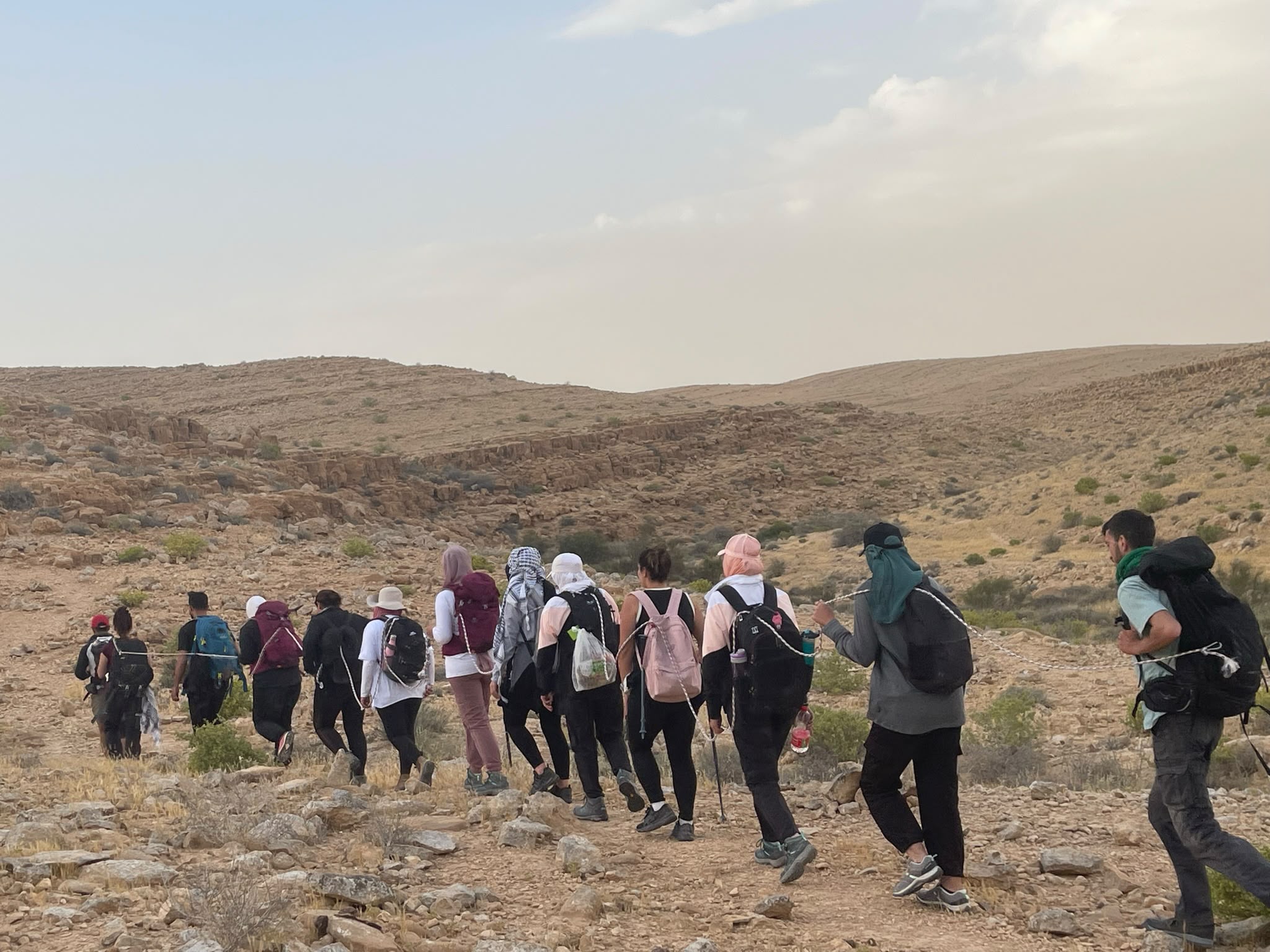
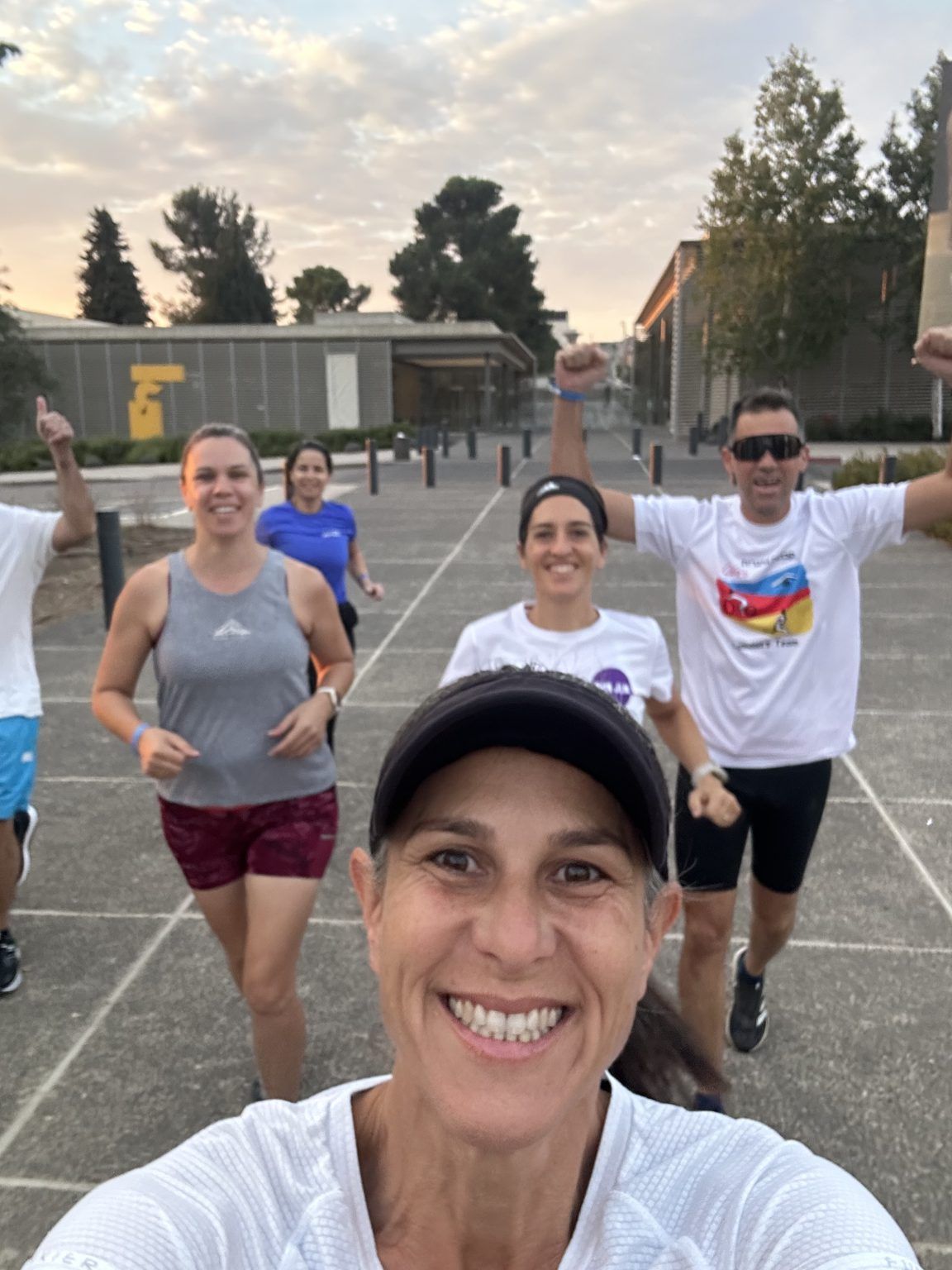
The community is the foundation of Arim Roshi. "Many women think they’re the only ones dealing with this," Avital explains. "Bringing them together is powerful." Regular meet-ups provide a safespace where members can connect, share, and support each other. -
Therapeutic Workshops
Workshops go beyond standard therapy, using movement, art, water, and equine therapies to help participants heal. "Every therapist we bring in understands trauma from a female perspective. That makes all the difference," Avital says. Equine therapy, held at a farm near Netanya, has been especially effective. "It’s not just about horses—it’s about creating trust and connection." -
Personal Guidance
Each woman’s needs are different. That’s why the organization offers personal support for navigating bureaucracy, family dynamics, and the recognition process with the Ministry of Defense. "Some women don’t want formal recognition, and that’s okay. We meet them where they are," says Avital. -
Research
Arim Roshi is committed to documenting what works and sharing that knowledge. "We’re working closely with researchers at Tel-Hai College to measure outcomes and refine our programs. This isn’t just about helping today—it’s about building a better future."
Launching in a Crisis
Originally planned for July 2024, the organization launched early due to the outbreak of Operation Iron Swords in October 2023. "We couldn’t wait. Women needed support now." In just a few months, the community grew from 14 women to almost 120. Avital expects the numbers to double in the coming year as the demand continues to rise.
"We couldn’t wait. Women needed support now."
Overcoming Challenges
Funding has been a constant challenge. "We started with no money—just help from family and friends," Avital says. But donations from individuals and organizations, including Jewish Federations of North America and local companies like Delek, are keeping the organization running.
Another challenge has been finding the right structure for therapy. "Government services don’t fit everyone. We have to provide alternatives that are flexible and approachable," Avital explains. "The goal is to create an environment where women feel comfortable asking for help—without the formalities getting in the way."
"The goal is to create an environment where women feel comfortable asking for help"
The Road Ahead
With rapid growth, Avital is focused on maintaining quality while expanding services. "We’re planning two new equine therapy groups next year, each running 10 sessions. It’s not just about participation—it’s about creating meaningful change."
Avital also expects to strengthen partnerships with other organizations. "Collaboration is the way forward. Trauma care is too fragmented, and working together will make the entire system stronger."
"Collaboration is the way forward. Trauma care is too fragmented, and working together will make the entire system stronger."
Conclusion
Arim Roshi fills a critical gap for women veterans in Israel. Led by Avital and Moti, the organization is building something rare—a place where women feel understood and supported.
"We’re not just running programs," Avital says. "We’re building a family."
As the organization grows, so does its impact.
And for women who’ve spent too long in silence, Arim Roshi offers something priceless: a community where they finally belong.