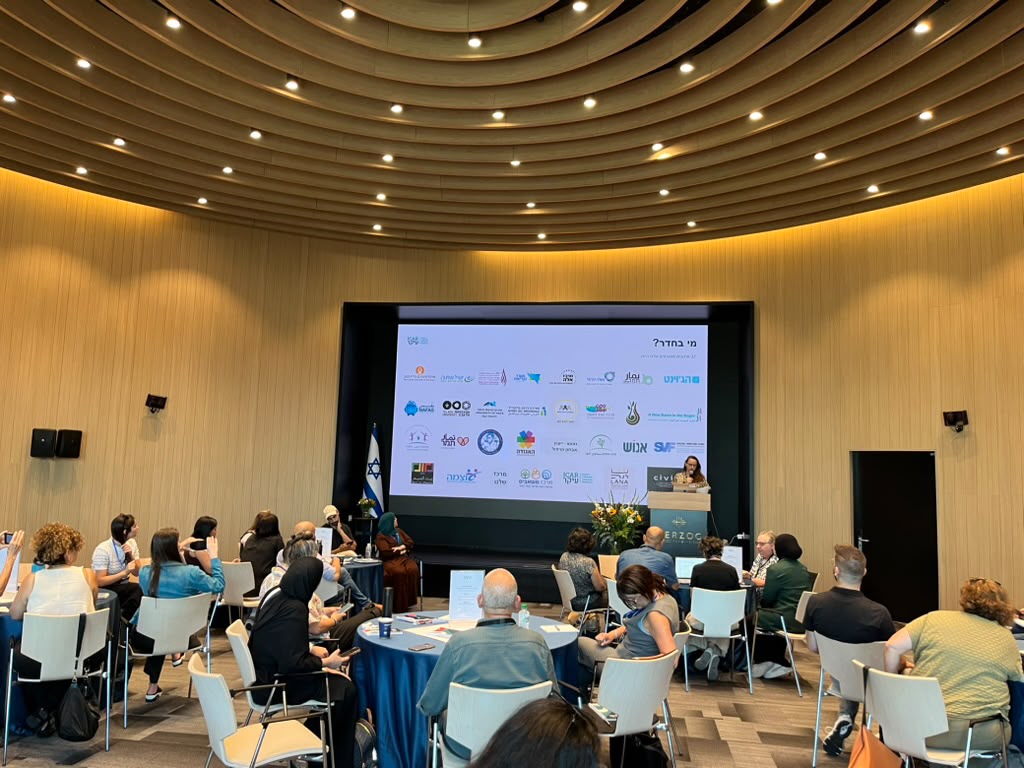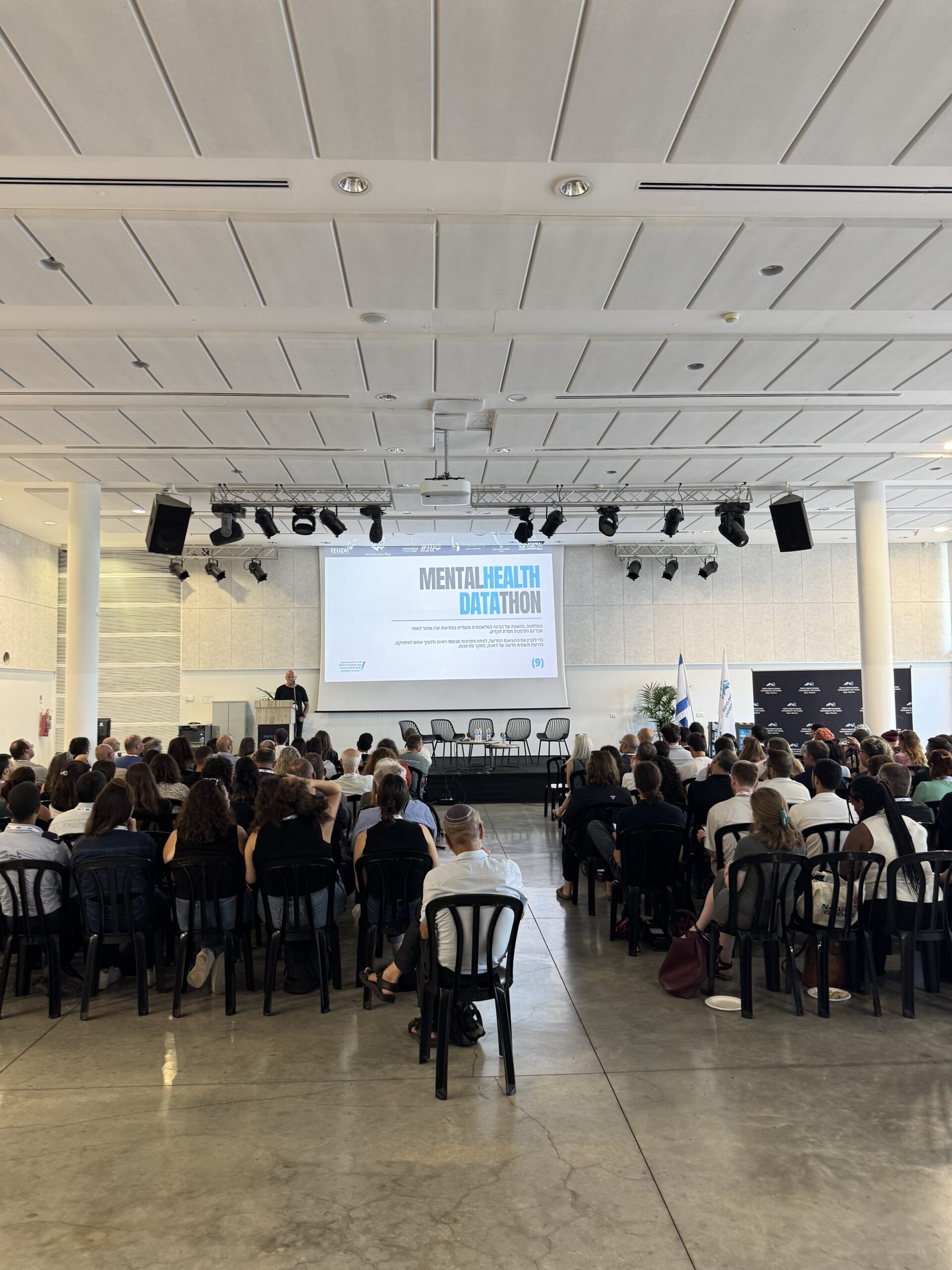
On September 10th, the morning of International Suicide Prevention Day, organized by MOSHE, brought together professionals and advocates to confront one of Israel’s most urgent challenges—suicidality. This was not just another event. It was a concentrated effort to focus on the link between trauma, PTSD, and suicide, a growing concern, especially in light of the current mental health crisis.
The event began with a recorded video message from First Lady Michal Herzog. While she couldn’t attend in person, her commitment to the cause was clear. She acknowledged the rise in mental health issues in Israel, particularly following the traumatic events of October 7th.
“We need to be there for each other, as a society, as families, as individuals” she emphasized. Her words set the tone for a morning focused not only on understanding the problem but on finding ways to address it head-on.
“We need to be there for each other, as a society, as families, as individuals” – First Lady Michal Herzog

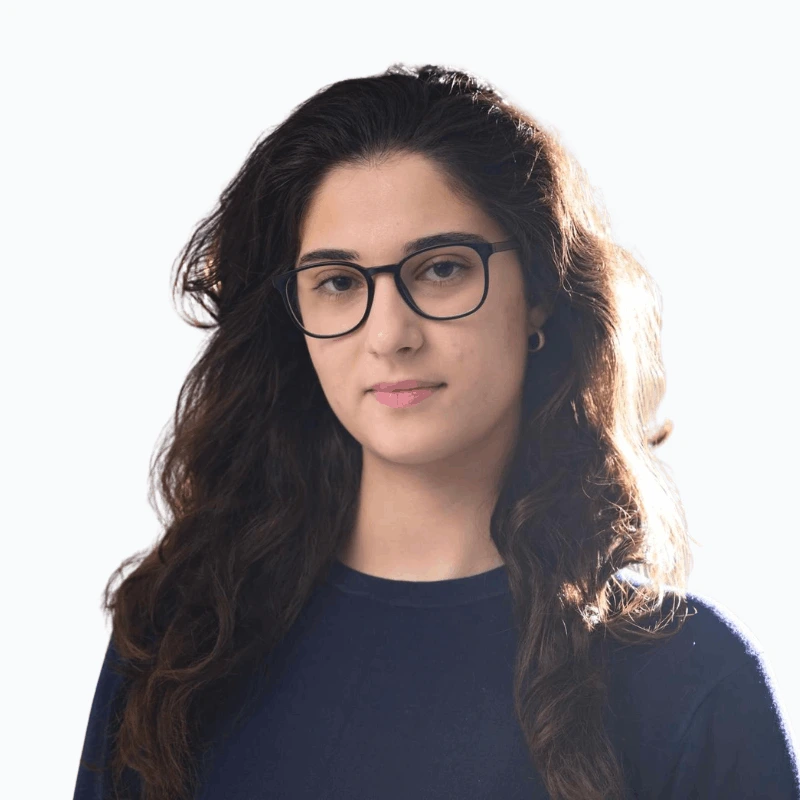
Gal Nissim Emmanuel: A Call for Urgent Action
Gal Nissim Emmanuel, founder and CEO of MOSHE, opened the event with a passionate and heartfelt speech emphasizing the urgency of addressing the rising rates of suicidality in Israel. She set the tone for the day, drawing attention to the gravity of the issue.
“We cannot wait for the next tragedy to act,” Gal stated. “The crisis is here, now, and it touches every part of our society.”
Gal spoke about MOSHE's mission to destigmatize mental health and create accessible avenues for help. She highlighted the importance of breaking the silence surrounding suicide, particularly in a culture that tends to shy away from discussions of mental health. “Talking about suicide doesn’t increase risk—it decreases it. Ignoring it is what makes it grow,” she declared. Gal’s message was a powerful reminder that acknowledging and addressing the problem is the first step toward finding solutions.
Her talk laid the foundation for the other speakers, connecting their work to the broader mission of MOSHE. “We’re not just here to listen; we’re here to act. This is a call to every Israeli—to be part of the solution,” she concluded, setting the stage for the more detailed discussions that followed.
Dr. Leah Shelef: PTSD and the Path to Suicide
Dr. Leah Shelef followed with an in-depth presentation on PTSD and its link to suicidality. She didn’t shy away from the hard facts. “Post-traumatic stress is a direct pathway to feelings of hopelessness,” she stated, explaining how the prolonged impact of trauma can distort a person’s sense of self and future. Her focus was clinical but compassionate, offering a look into the psychological toll trauma takes on individuals.
Dr. Shelef’s talk emphasized the compounding effect of untreated trauma and isolation. “The problem isn’t just the trauma—it’s the lack of a support system. People are left to deal with these issues on their own, and that’s where the danger lies,” she explained.
One point that resonated throughout her talk was the cultural stigma in Israel around seeking help, particularly among men and soldiers.
“There’s a perception that asking for help is a sign of weakness, and that’s contributing to the rise in suicides” – Dr Leah Shelef
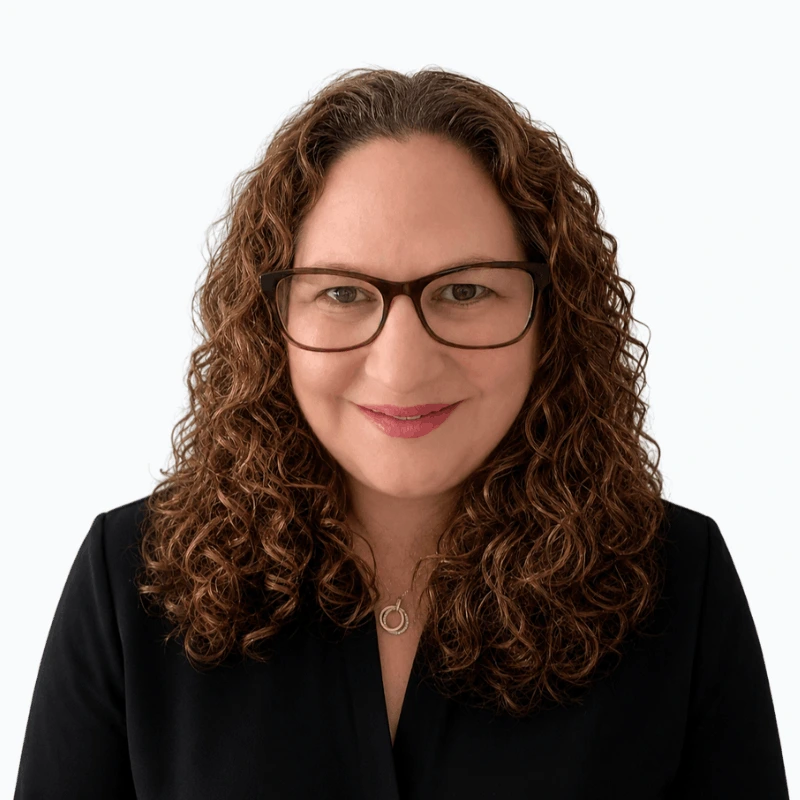
Adi Eshel: The Role of Community Support
Adi Eshel, a long-time mental health advocate, also took the stage to emphasize the role of community support in preventing suicide. “It’s not just about clinical intervention—it’s about the everyday connections we make, the way we show up for each other,” Adi said. Her message reinforced the idea that suicide prevention starts at the community level, where everyday interactions and support can make a significant impact.
Adi’s talk brought attention to the importance of fostering a culture where mental health is openly discussed, and where individuals feel comfortable seeking help.
“If we can create environments where people feel safe to talk about what they’re going through, we’re already halfway there,” she noted, echoing earlier sentiments shared by Gal.
Tamir Ashman: Trauma and Isolation in the Military
The next speaker, Tamir Ashman, shared insights from his extensive work with soldiers, highlighting the dangerous connection between unresolved trauma and suicidality. His tone was straightforward and sobering.
“We’re seeing more and more soldiers struggling in silence. It’s not just what happens in combat—it’s what happens after, when they come home.”
Tamir stressed that trauma doesn't dissipate with time and that isolation only deepens the wound. His words were a stark reminder of the hidden crisis unfolding within our military. “We need to find ways to intervene early, to prevent that sense of isolation from taking root,” he urged. His talk underscored the urgent need to address mental health support within the IDF, not just during service, but long after.
A Call for Action
As the event progressed, each speaker reinforced the same critical message: the need for earlier intervention and more accessible mental health services. We are facing a mental health crisis that cannot be ignored.
The conversations throughout the day pointed to a clear need for more resources, earlier intervention, and community-based support systems.
Today was a step in the right direction, but it was just a step. The real work begins now, and it requires every one of us to play a part.