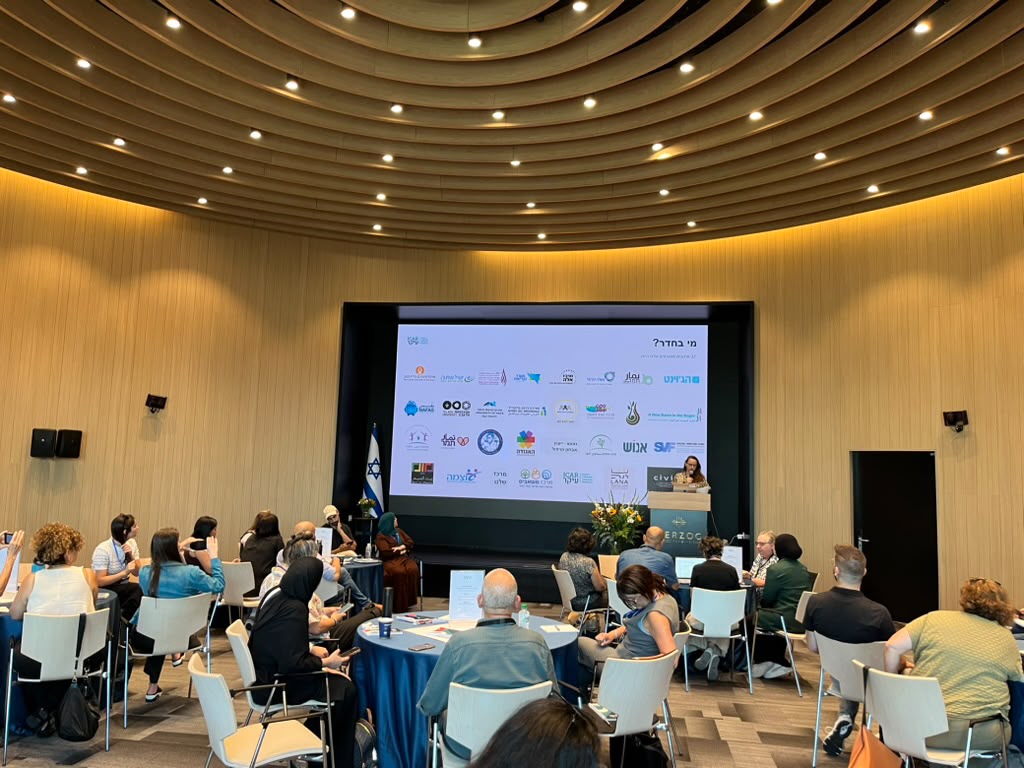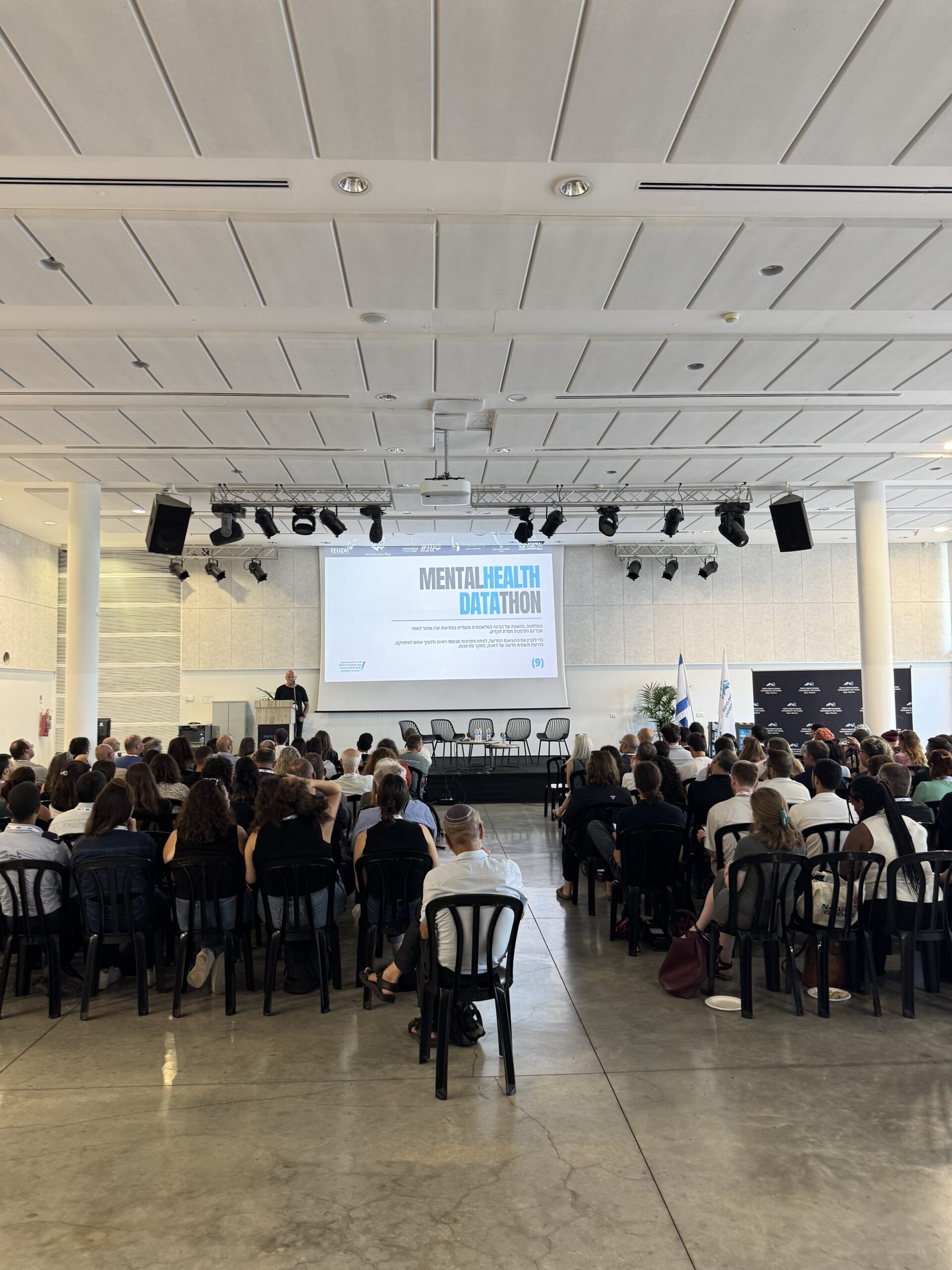
On International Suicide Prevention Day, I had the privilege of hearing Tamir Ashman speak at a conference organized by MOSHE. Ashman, a lecturer at Tel Aviv University's School of Social Work and a veteran practitioner in suicide prevention and male trauma recovery, delivered a compelling talk that challenged conventional approaches to dealing with men's mental health.
Ashman’s presentation focused on the often overlooked and misunderstood issues men face when it comes to depression, trauma, and suicidal ideation. His work is not theoretical but deeply rooted in personal experience and decades of practical involvement with men in crisis. He has spent over 20 years working in groups dedicated to helping men confront their pain and mental health struggles—especially those struggling with post-traumatic stress disorder (PTSD), anger, and suicidal thoughts.
The Hidden Pain of Men

Ashman began his talk by describing the differences in how men and women experience depression, and the dangerous consequences of misdiagnosing men’s mental health problems. "Depression in men often doesn't manifest in the same way it does for women," Ashman explained. "It’s not the typical, textbook depression where someone stays in bed all day and isolates themselves. For men, it’s often a ‘functional depression,’ where they go to work, come home, and continue their day-to-day lives, but inside, they’re crumbling."
One of the key elements he highlighted was the concept of "hidden depression" in men. “When we think of male depression, we often think of anger, irritability, and overwork. It’s a depression that behaves, that doesn’t sit still. Men don’t talk about it because they don’t have the words for it," Ashman said. “When men come to therapy, they’ll say things like, ‘I don’t feel appreciated,’ or, ‘My kids see me as just a wallet.’ These are symptoms of depression, but they get ignored because they don’t look like traditional depression.”
The Silence That Kills
What stood out in his talk was Ashman’s deep concern for the unspoken mental anguish that many men carry with them, especially those who have experienced trauma. “I don’t fear the men who come to me and say they’re suicidal. I fear the ones who don’t talk to me about it. Because what’s unspoken always acts out,” Ashman said, highlighting a central principle of his therapeutic work: What is not spoken will be acted out.
He shared stories of men who had faced extreme mental health crises but had masked their struggles with behavior that appeared benign or functional, only to find themselves at the edge of suicide. “I’ve seen men who seem like they have it all together, but inside, they’re unraveling. One minute they’re fixing the air conditioner, the next they’re standing on a roof, one foot off the edge,” Ashman illustrated, pointing out the "silent suicidality" that many men experience. These men might never explicitly say they’re suicidal, but their reckless behavior betrays the truth.
The Role of Trauma and the Mask of Masculinity
Much of Ashman’s work revolves around helping men confront the trauma that underpins their mental health struggles. He shared personal stories about growing up with a father who suffered from PTSD and how that shaped his own understanding of male vulnerability. “I grew up in a house with a post-traumatic father. I know what it means to live with someone who can’t express their pain,” he said, referencing the intergenerational trauma that many families endure.
Ashman also spoke about the societal conditioning that teaches boys from a young age to suppress their emotions. “We stop boys from crying when they’re three years old. We don’t put a sign on the fridge that says ‘boys don’t cry,’ but we yell at them when they do. By the time they’re men, they’ve learned that vulnerability is weakness, and they carry that belief into adulthood,” he explained.
A New Language for Men
A recurring theme throughout Ashman’s talk was the need to create a new language for men to express their emotions. He emphasized that men often don’t have the vocabulary to articulate their pain, which leads to destructive behaviors like outbursts of anger or substance abuse. “If a man tells me he’s drinking more or can’t stand being at home, that’s his way of saying he’s in pain. He just doesn’t know how to say it,” Ashman explained. “It’s up to us to help them find that language.”
One of the most powerful moments of the talk was when Ashman recounted his experience leading a men’s support group for over 20 years. He described the first time a man in the group admitted he had suicidal thoughts: “It was like a dam broke. Suddenly, the other men realized they weren’t alone. They didn’t have to hide anymore.”
Breaking the Cycle of Anger and Suicidality
Ashman discussed how men’s emotional struggles often manifest as explosive anger, which can be misunderstood as aggression or violence. But, as Ashman pointed out, this anger is often a mask for deeper emotional pain. “When men act out in anger—throwing things, yelling—it’s not about the anger itself. It’s about feeling trapped, powerless. It’s about a lack of control over their lives,” he said.
He urged the audience to rethink their understanding of male suicidality, explaining that men are more likely to engage in "anger-fueled suicide attempts"—reckless driving, extreme risk-taking, or substance abuse—than to engage in the more planned-out suicides typically associated with women. “When men take their lives, it’s often impulsive and violent. They don’t want to die, but they don’t see another way to express their pain,” Ashman explained.
Moving Forward: A Call to Action
To conclude, Ashman called for a shift in how we approach male mental health. “We have to stop waiting for men to ask for help because most of them won’t. We need to create spaces where they feel safe enough to express their pain, even if they don’t have the words for it yet.”
His closing words were a reminder of the importance of community and connection: “Men don’t heal in isolation. They need other men to witness their pain, to hold space for them. That’s what we’re doing in these groups. We’re creating a new language, one that allows men to express their vulnerability without fear of judgment.”
Ashman’s talk was a powerful reminder that male mental health is not just a private struggle but a societal issue that requires collective action. On this International Suicide Prevention Day, his message was clear: we must listen to the silence of men before it becomes too loud to ignore.