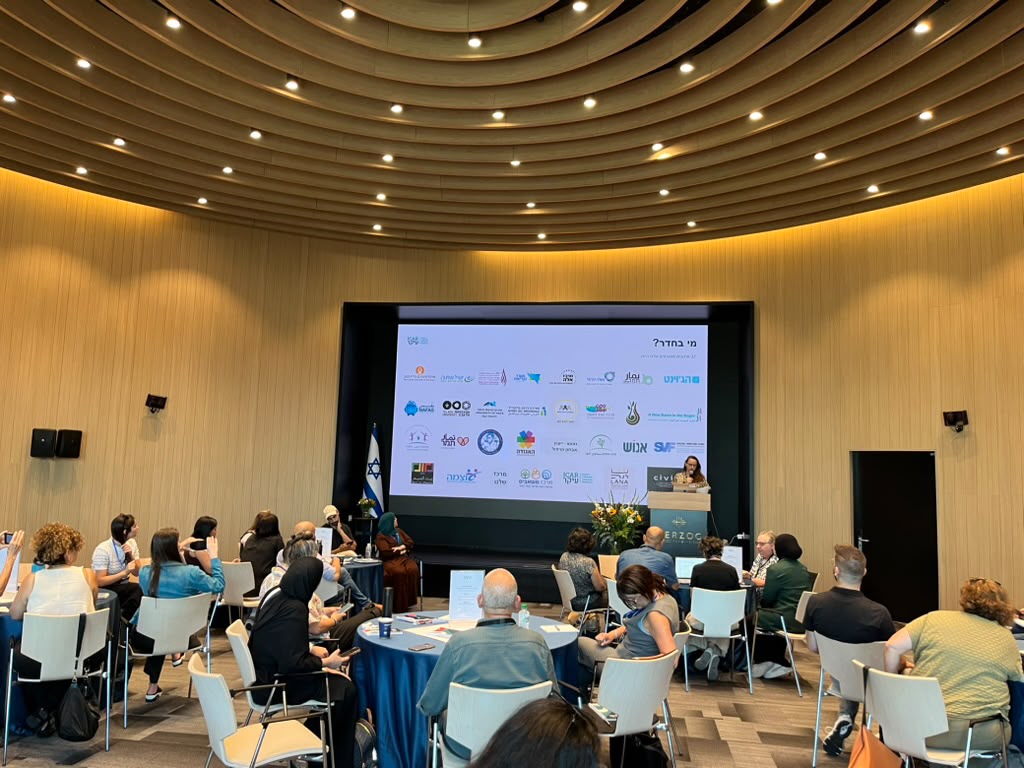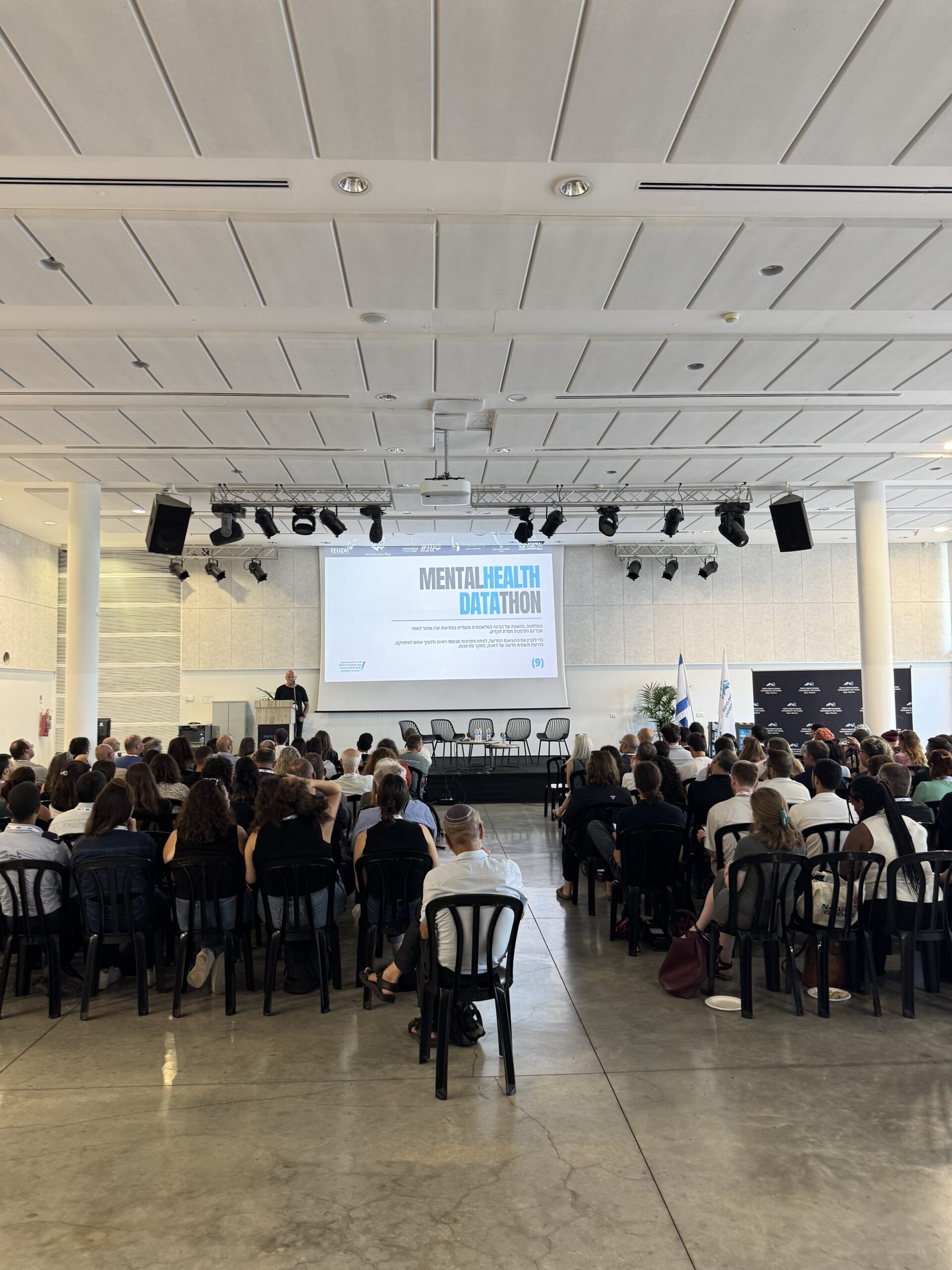
On a recent panel hosted by Open Valley, industry leaders from healthcare, psychology, and technology came together to confront the profound issue of trauma in Israel. This event wasn’t just a discussion; it was a call to arms for innovative solutions to a national crisis that impacts nearly every Israeli citizen.
The panelists emphasized how trauma, both personal and collective, requires more than conventional therapies—it calls for a reimagining of care, community support, and technology-driven resilience. “Israel is likely the only country in the world where a panel like this on trauma is relevant and essential,” noted Gigi Levy-Weiss, General Partner at NFX, highlighting the unique intensity of the nation’s collective pain.
The Scope of Trauma in Israel
The scale of trauma in Israel today is unprecedented. According to Ronit Argaman, a clinical social worker and Founder and CEO of the ELA project, there’s an overwhelming demand for mental health services that the current system can barely address.
“We’re on day 394 of the war,” Ronit started. “We have had 255 hostages, 143,000 displaced persons, and 300,000 reservists. We have over 1,700 fatalities…with 800 children orphaned, and a 900% increase in calls to support hotlines.”
This sheer volume of trauma cases has led to drastic increases in PTSD and related disorders, creating long wait times for treatment and placing immense strain on mental health professionals. Israel’s mental health budget, less than half the OECD average, cannot keep pace with the skyrocketing demand, resulting in a six-month wait for therapy. “We’re experiencing ongoing distress, with feelings of despair, helplessness, and hopelessness,” Ronit added, capturing the emotional toll that accompanies these staggering statistics.

Community-Based Innovations
A recurring theme in the discussion was the necessity of community-based care. Dr. Tali Lang, a healthcare and digital health specialist, and project manager for Clalit Innovation in Israel’s Northern District, underscored the importance of shifting from hospital-based treatment to accessible, community-level support.
“A person who was hospitalized received intensive treatment 24/7,” Dr. Lang said. “Returning home, they face a completely different reality. They need to get out of bed, get dressed, and go to a clinic that’s often far away. It’s a major challenge.”
Clalit’s model of community care is designed not only to treat PTSD but also to prevent severe damage and provide a support system for those transitioning from hospital care to home life. This transition, however, faces severe limitations due to a shortage of mental health professionals.
Ronit Argaman elaborated on the need for community-based spaces to make treatment more accessible. Her project aims to help individuals who might not seek traditional therapy but still need tools to manage their emotions and build resilience. Argaman explained: “Our spaces are community-based, understanding that community is significant in recovery processes. We want to get people out of their homes and screens into a space where they can engage individually, with family, in groups, or in classes.”
The Role of Technology in Scaling Trauma Support
As the demand for mental health services increases, many panelists highlighted technology as a powerful tool to bridge this gap. Yarden Abarbanel, Senior Director Program Lead at Teva Pharmaceuticals who is leading the Metaplim BaNefesh program for the treatment of Israeli trauma, emphasized the need for technology-driven solutions that can alleviate the burden on over-extended therapists and bring care to a wider population. “The shortage of therapists and burnout among them requires new technological solutions,” Abarbanel noted. “We’re looking for tools that can aid in research and help in creating community-based therapy options.”

Maya Goldberg, Co-Founder and Chief Psychology Officer at Toko, is pioneering AI applications that provide support beyond traditional therapy. Through AI-driven interventions, her team offers scalable support systems, such as pairing people with shared experiences for guided sessions that mimic therapeutic settings. “We’ve conducted over 3,250 sessions, with around 88% of participants experiencing significant improvement,” Goldberg shared. “The Ministry of Health chose to expand our intervention for frontline therapists and young people.”
Psychedelic Therapy: A Revolutionary Treatment for PTSD?
For some, the future of trauma treatment may also lie in alternative medicine. Prof. Dedi Meiri, who heads the Laboratory of Cancer Biology and Cannabinoid Research at the Technion’s Faculty of Biology and specializes in plant medicine and psychedelics, discussed the potential of psychedelics in treating PTSD and trauma. Studies have shown promising results in clinical trials, and Israel is beginning to embrace this approach. “Psychedelics, such as MDMA, can open doors that typically require extensive therapy sessions to reach,” Prof. Meiri explained.
However, he also stressed the need for caution and proper regulation, as about 22% of new PTSD cases in Israel currently seek psychedelic treatments through unregulated channels.
MAPS Israel is at the forefront of bringing structured psychedelic therapy to the country, combining these treatments with psychotherapy for more effective outcomes. Eyal Gura, Co-
Founder and President at Zebra Medical Vision and an Entrepreneur-in-Residence at MAPs Israel, described how these therapies enable patients to reframe traumatic events, addressing the psychological “code” that trauma has ingrained. “Psychedelics allow us to reframe our story and experience new emotions,” Gura explained. “This year, we trained 150 therapists to work with MDMA… We’re now awaiting approval from the Ministry of Health for a large-scale clinical trial that would allow for group therapy in Israel—a groundbreaking move globally.”
Bridging Stigma and Expanding Accessibility
One of the most significant challenges facing trauma care in Israel is the social stigma around mental health. Many people hesitate to seek help due to societal judgments or personal fears. Gigi Levy-Weiss emphasized the importance of normalizing PTSD and mental health treatment as crucial for Israel’s long-term resilience. “Treatment is essential for our future,” Levy-Weiss urged. “If anyone has ideas in tech fields, now is the time. It’s crucial to encourage people to seek help. It’s like any other illness, and breaking the stigma is vital.”
Conclusion: A Collective Mission to Build Resilience
The discussions during the panel highlighted the urgent need for a multi-pronged approach to trauma care in Israel, from community initiatives and technological innovation to groundbreaking therapies like psychedelics. These experts underscored that addressing trauma is not only about healing individuals but also about fortifying the nation’s resilience.
This collaborative, technology-enhanced approach offers hope for both immediate relief and sustainable, long-term care. As Levy-Weiss aptly concluded, this era of crisis in Israel could bring about a breakthrough in trauma treatment, setting a precedent for other nations facing large-scale trauma. “When the dust settles and the battles end, many people will still be dealing with trauma,” Levy-Weiss said. “This is a challenging field to raise money for, but it’s critical.”
With technology and community support, Israel’s journey from trauma to resilience is possible—paving the way for an era of healing, hope, and innovative care.