

Blog
Featured Posts
 Perspectives
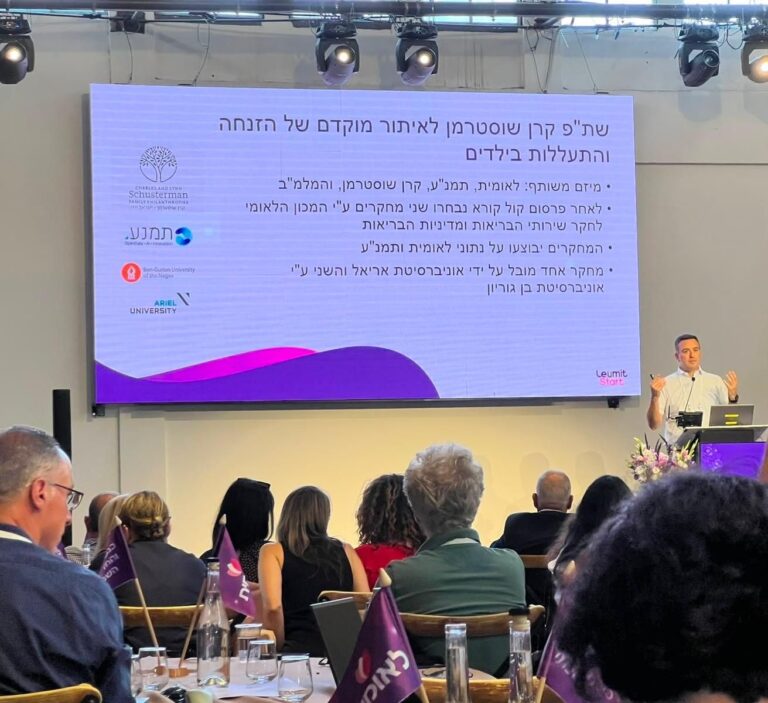
When Innovation Meets Trauma: Reflections from Leumit’s Research and Innovation Conference
It was in the examples of AI being used to turn messy, fragmented clinical information into usable research data. It was in the presentation on home diagnostics and the promise of bringing care closer to patients. And it was most clearly present in the discussions on stress, trauma, mental health, and long-term health.
 Perspectives
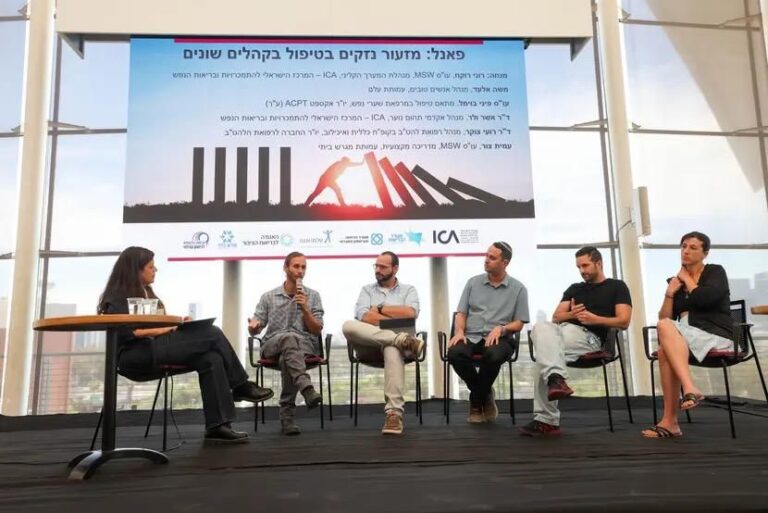
Harm Reduction in a Changed World: Meeting People Where They Are
The deeper message of the morning was that harm reduction is not separate from healing. It is often the first condition that makes healing possible. People cannot process trauma if they do not survive the weekend. They cannot return to therapy if shame keeps them away. They cannot rebuild trust if every system they encounter begins with suspicion.
 Perspectives
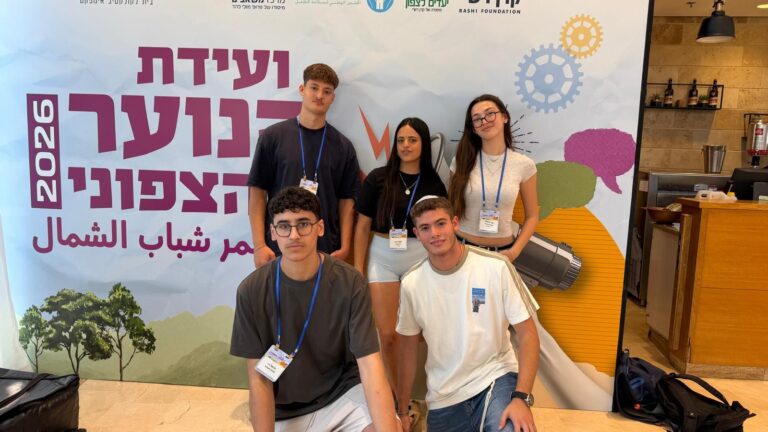
What Teenagers from the North Need Adults to Understand
The purpose of the gathering was simple, but in many ways radical: not to speak about youth, not to design another program for them, but to ask them directly what they are living through and what they wish the adults around them understood.
 Perspectives
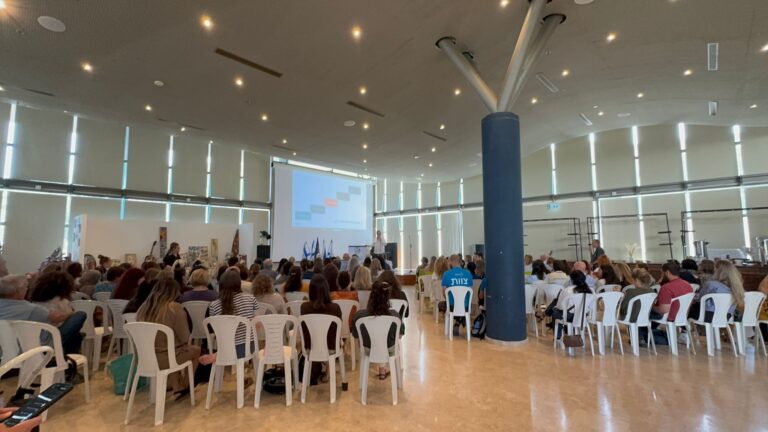
Community, Belonging, and Resilience: Insights from the Roundtables on Trauma in Local Authorities
local trauma response must be built in routine, not invented in an emergency.
 Perspectives
PTSD Rehabilitation Among Veterans: What Systems Get Right, and What They Miss
This framing implies that recovery cannot be reduced to symptom remission alone, but must include functional reintegration, social participation, and continuity of life over time.
 Events
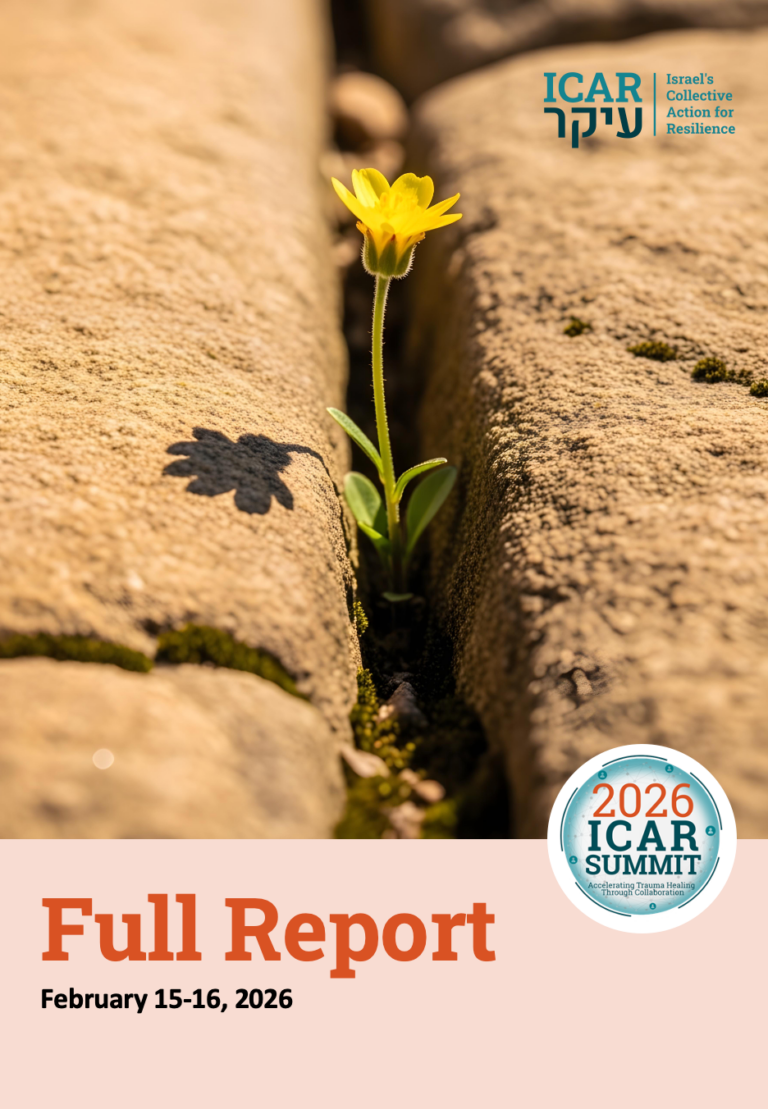
ICAR Summit 2026 – Full Report
If last year was about recognizing urgency, this year was about clarity. We now understand the problem better. We know where the system breaks. We see what needs to be built. The challenge is no longer conceptual. It is operational.
 Perspectives
Pessach 2026: That Big Space in Between
We are entering this holiday of Pessach in what people have started to call an “emergency routine.” It is an oxymoron, but a very accurate one.
 Events
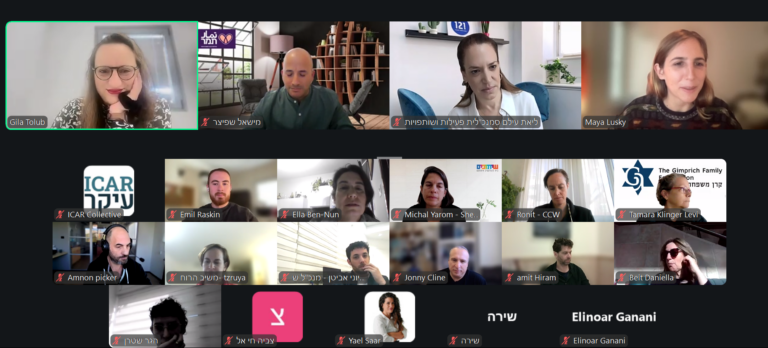
The Long Game: Mental Health NGOs and Israel’s Public Systems
In a webinar moderated by Maya Lusky, Strategy and Research Manager at ICAR Collective, three practitioners, Liat Eilam, VP of Partnerships and Activities at 121 – Engine for Social Change; Michal Yarom, Deputy CEO at Sheatufim; and Jonny Cline, social impact strategist, nonprofit executive, and advisor, offered a grounded look at what it actually means to work with public institutions in Israel. Not in theory. In practice: ministries, municipalities, HMOs, and all the friction that comes with t
 Events
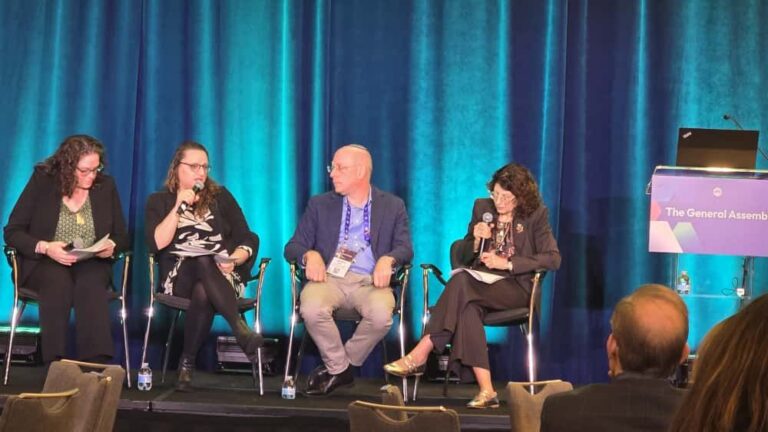
Healing a Nation: Addressing Israel’s Mental Health “Wicked Problem”
On the second day of the 2025 General Assembly, at the end of a panel called Healing a Nation: Addressing the Mental Health Crisis in Israel, one phrase captured the essence of what we are facing. Israel is living through is a wicked problem: “a problem so complex that every attempted solution reveals new challenges."
 Perspectives
When the Nation Is Under Threat, Many Women Are Too
International Day for the Elimination of Violence Against Women. Trauma raises the emotional temperature in households already under strain; it stretches coping mechanisms thin. And too often, women and children are the ones absorbing that volatility.
 Events
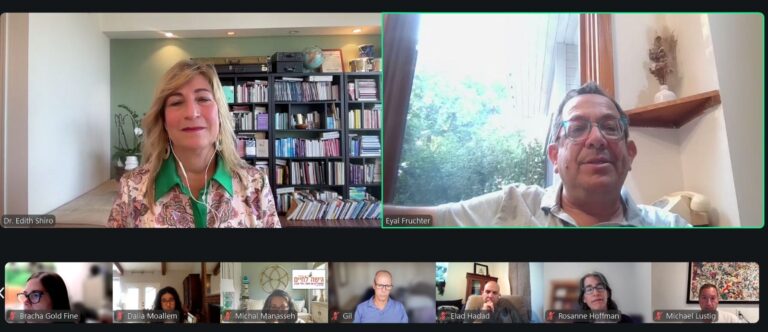
Post-Traumatic Growth Is a Practice.
On September 12, 2025 ICAR Collective hosted a webinar on post-traumatic growth (PTG) with Dr. Edith Shiro—clinical psychologist, author of The Unexpected Gift of Trauma—and Prof. Eyal Fruchter—psychiatrist, PTSD expert, and ICAR’s Head of Medical & Scientific Affairs. It was an hour of straight talk with no sugarcoating and real tools.
 Events
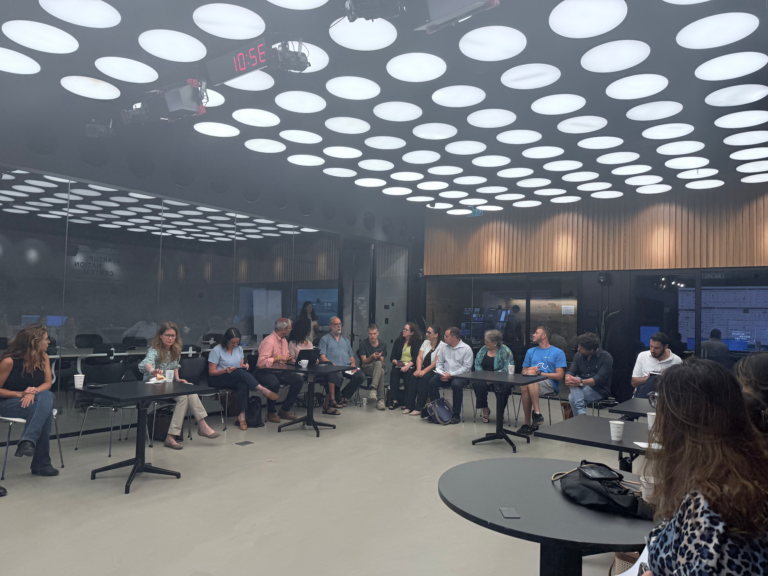
What We Learn by Sitting in the Same Room
On September 9th, we gathered at Startup Nation Central in Tel Aviv for a morning that felt both urgent and grounding. The Margaret and Daniel Loeb Foundation, together with ICAR Collective, brought together grantees and donors to look closely at the mental health response in Israel after October 7.

Join our community
ICAR is addressing today’s trauma healing challenges, while preempting tomorrow’s crises. To partner or support, please reach out.